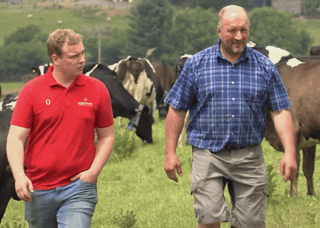
Robin & Torin Nicolson
Pembrokeshire, Wales
This story was filmed in 2023 & 2025 and reflects one farmer’s own experience with their Tow and Fert. Every farm is different, so please treat it as a story rather than a forecast for your place.
Prompted by science: from a dissertation to a Tow and Fert
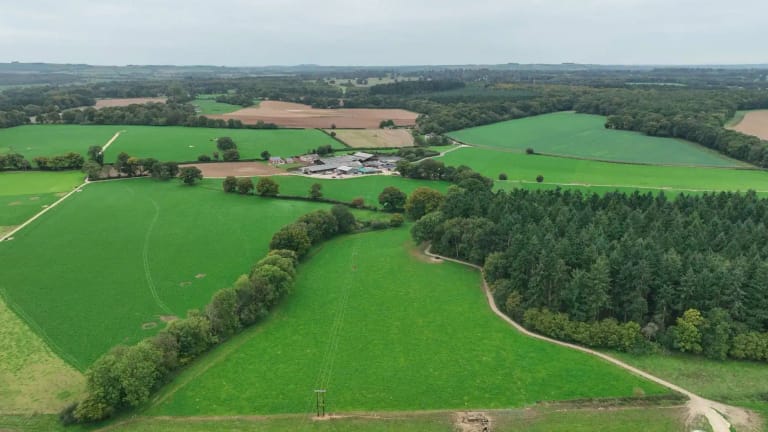
Robin & Torin Nicolson are a father and son duo who run a dairy farm in the heart of Pembrokeshire. With 200 dairy cows and 300 other cattle, their farm spans 480 acres, primarily focusing on dairy production. This farm has been a family endeavour since 1969, with Robin being the second-generation farmer, aiming to pass it on to the third generation.
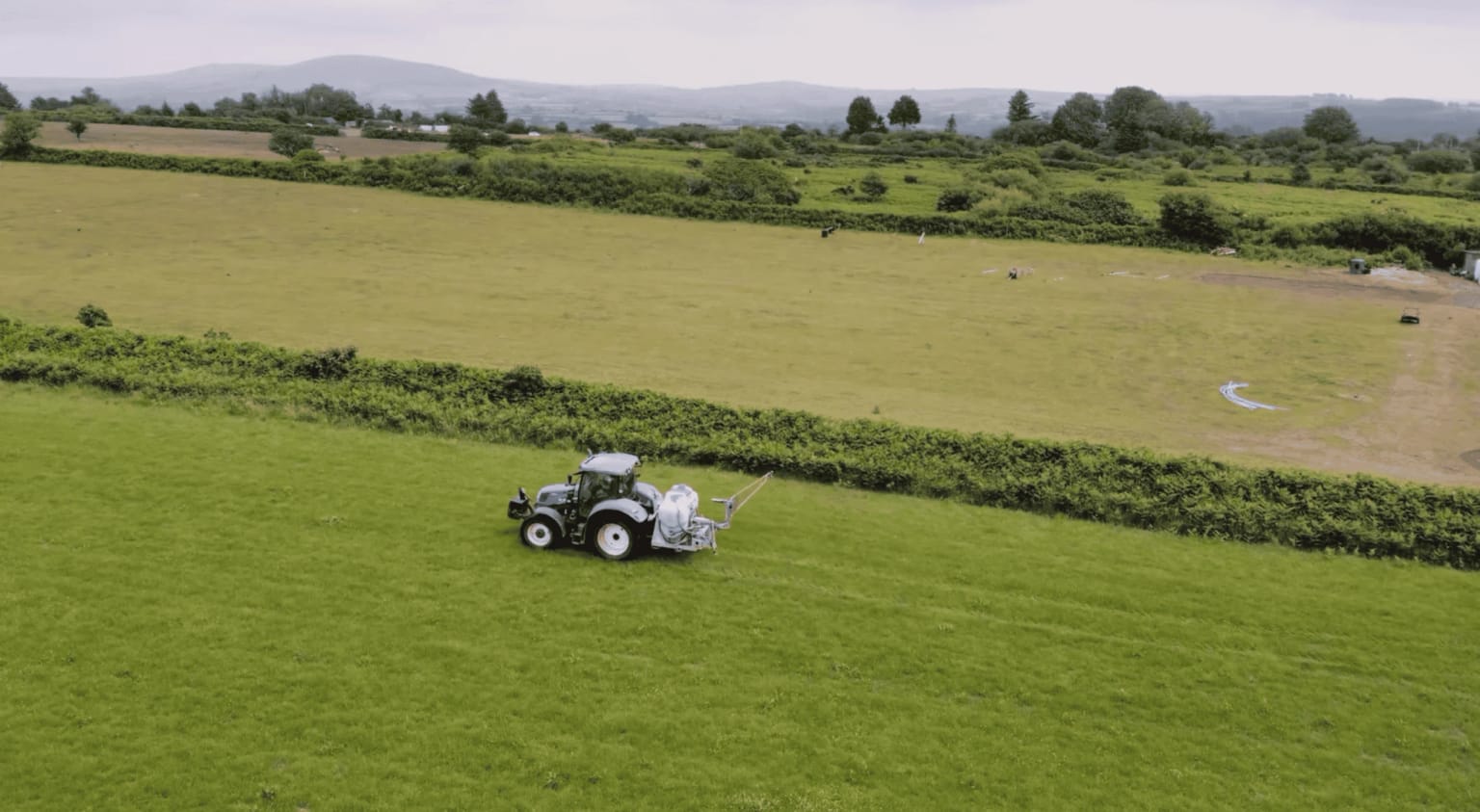
Torin completed his degree in agriculture, where he explored foliar feeding in his dissertation. That curiosity took the farm into the EIP Wales trial, an independent, publicly funded three-year study across four farms in Pembrokeshire and Ceredigion (Nigel Howells Consulting and ADAS, published March 2022). Their farm ran three paddocks side by side, a control, one foliar fed, and one conventionally fertilised, using the sprayer they already had. It was the results of that trial that prompted them to invest in the Tow and Fert Multi 1200.
On their own paddocks, Robin puts it like this: “We had very, very, good results, replicated the trials, showing savings of about 60-70% on fertilizer while maintaining the same amount of grass yield which gave us the confidence to purchase the Tow and Fert.”
Click here to read what the full four-farm trial found.
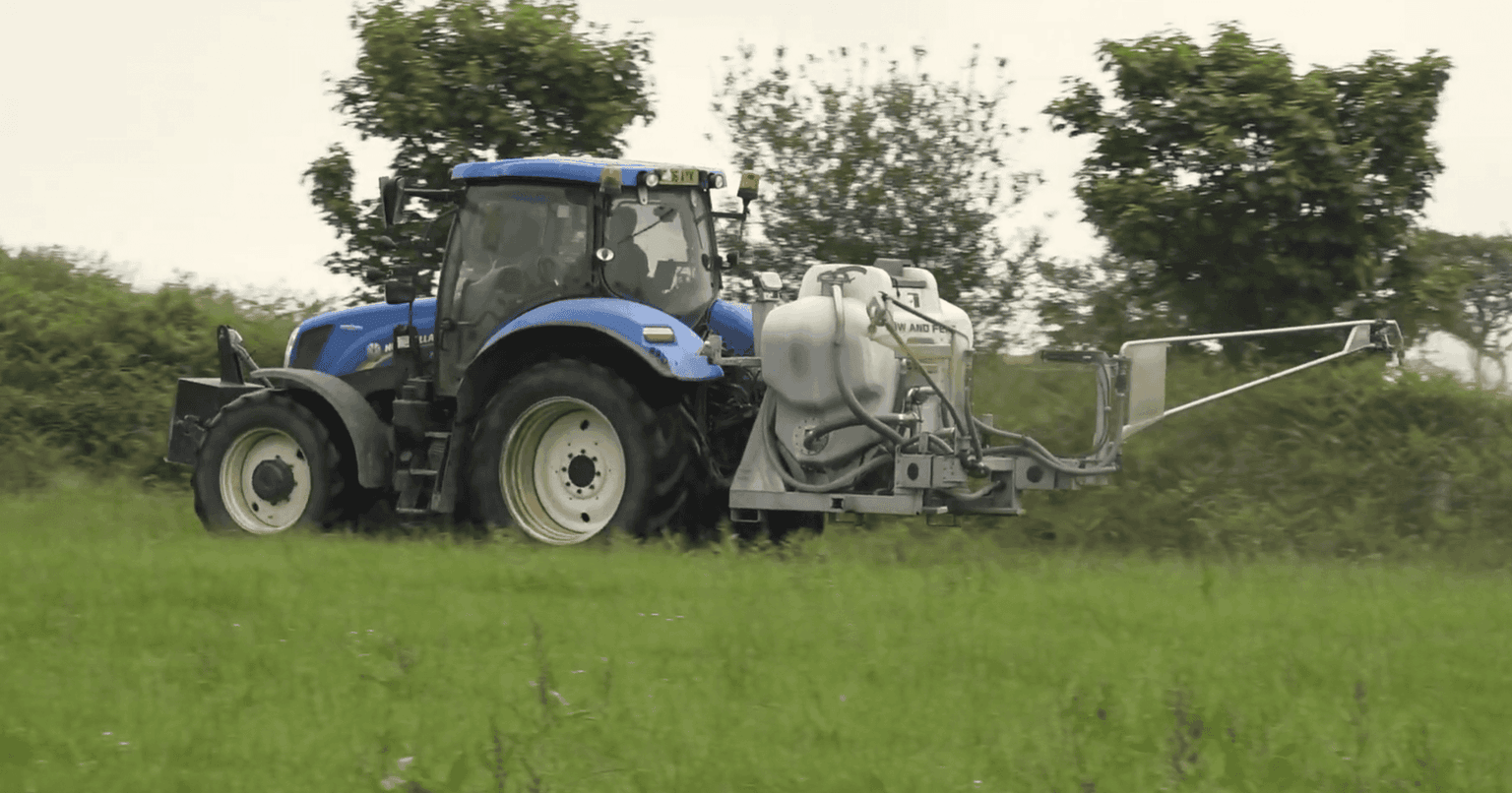
Torin enjoys using the Tow and Fert App to work out his fertiliser mix numbers. The app assists in mixing nutrient for the specific application, selecting the optimum nozzle, and finding a drive speed for the desired per hectare rate.
The mix typically includes humates, foliar zinc, C90 sea salt, and urea at a rate of about 20 to 30 kilos per hectare, so the results above reflect that whole programme, not the machine on its own. Mixing is quick, and once in the field the machine runs hydraulically, simple and efficient to operate.
Thinking about Tow and Fert?
Talk with a specialist
Tell us about your operation and we’ll match the right model and setup for you.
Operation the machine is really quite simple. It’s quite a robustly built machine, there’s nothing really that can go wrong on it and if anything does go wrong it’s quite easy to fix. The dealer back up we get, as well, is really good. They’re always at the other end of the phone.
Robin Nicolson
Robin says, “Our forage analysis revealed higher sugar levels and improved dry matter in the grass, thanks to the reduced nitrogen content.”
Catching up with Robin, three years on
We caught up with Robin again in 2025, three years after that EIP Wales trial led to the Multi 1200.
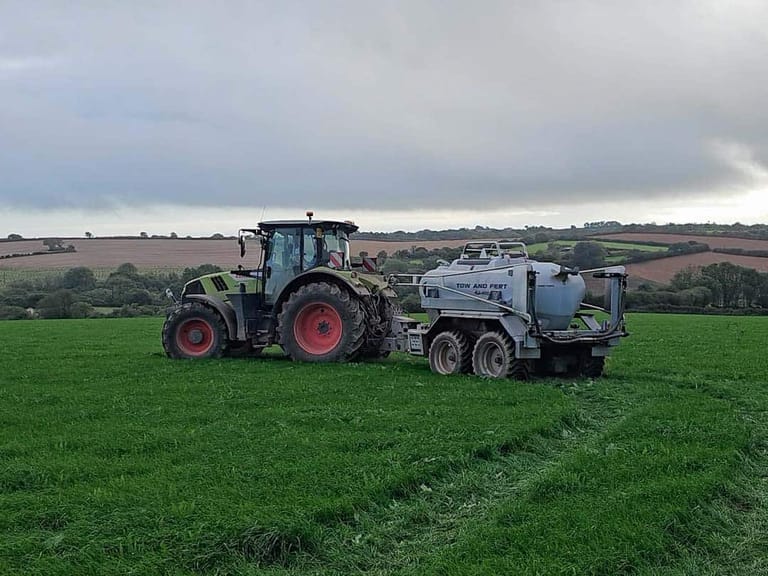
The farm’s grown, and Robin’s moved up from the 1200 to a 2800 to get more ground covered per fill. Torin spent a stretch working on a farm in New Zealand and is back in Pembrokeshire now.
Robin says, “We’ve gone from a rate of about 270 kilos a hectare of nitrogen to down to about 100, 120 kilos of nitrogen now, and growing a similar sort of quantity of dry matter.”
The clover has kept coming back, the way it did in the trial: “One of the good things that came out of the foliar feeding was that we saw an increase in clover in those fields where we foliar fed, as opposed to the conventional where it just basically wiped out. That was very positive.”
Robin’s straight about payback too. He says that when he bought the original 1200, fertiliser prices had just peaked, so it paid for itself quickly. Prices have eased since, so it takes longer now, but he reckons it’s still paid its way over the years he’s had it.
He wants to keep bringing nitrogen down as the soil balances out, without losing the growth he’s got. Further down the track, he’d like to go further still.
Hopefully we can move away from synthetics and just use natural products. Essentially be organic with, and grow a similar quantity. That’s the ultimate aim, isn’t it?
Robin Nicolson